Image credit: Aljazerra
Right-wing and discriminatory agendas have been gaining momentum in the past decade, whether catalysed by the aftermath of the Brexit referendum or the ascendance of the Republican ‘MAGA’ movement in the United States.
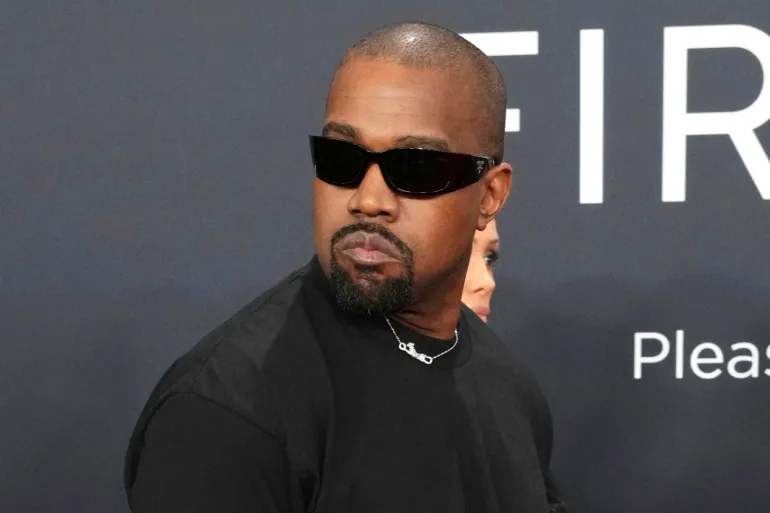
Earlier this year, London’s Wireless Festival, renowned for its rap and hip-hop scene, left festival-goers disappointed when the event was cancelled. This cancellation followed the Home Office’s decision to bar headline artist Kanye West, stage name Ye, from entering the country.
The Home Office told the BBC that West has been banned from entering Britain on the basis that his presence would not be “conductive to the public good”. In response, the organisers of Wireless Festival said they were cancelling the three-day music event in Finsbury Park and issuing refunds to all ticket holders.
Kanye West was banned from entering the UK after antisemitism disputes in which he wrote on social media “I love Hitler” and “I’m a Nazi” before he was banned from X. He has since apologised and sought to blame his bipolar disorder.
This move from the Home Office is not an isolated act, with Australia banning West from performing last year after he released a song titled “Heil Hitler” and sold T-shirts featuring a swastika.
Melvin Benn, the boss of Wireless parent Festival Republic, released a statement standing by the booking and advocating for forgiveness of Ye shortly after this decision was made.
Certainly, antisemitism is on the rise when large scale events are not being flagged for their discriminatory headline guests. The immense level of ignorance surrounding the organisation and initial approval for this event is rooted in a cycle of dismissal and facilitators.
Yet, many have expressed disappointment with this cancellation.
It’s foolish to conclude that all Ye’s fans have antisemetic beliefs. So, does art really alter any sense of self?
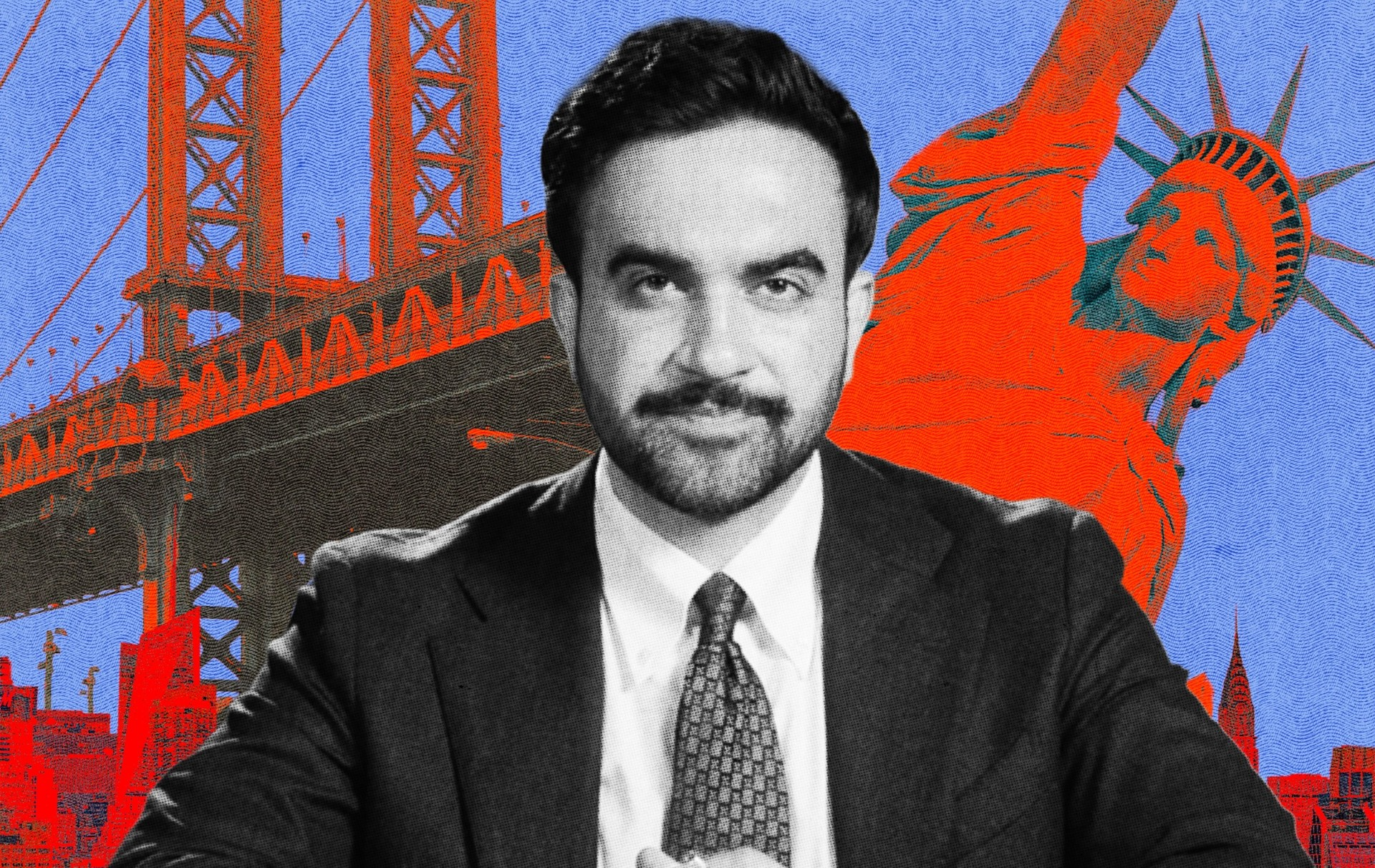
Undeniably, the desensitisation of anti-semitism and discriminatory behaviour has become more paramount in recent years, cementing the future of the UK in a worrying state of uncertainty. For example, The Times has recently been accused of using an “antisemitic depiction” of
Green Party leader Zack Polanski, targeting his Jewish identity.
Peter Brookes, a cartoonist for The Times, shows Polanski kicking a police officer. Brookes has been accused of exaggerating certain features, with critics arguing that he is accentuating Jewish tropes on Polanski’s face. Polanski responded on Sky News says “I think we recognise how scary it is at the moment for certain communities. We saw three people stabbed this week, and it’s important to de-escalate tensions as leaders.” Accordingly, the Greens demand apology from The Times over the ‘vile, antisemitic’ Polanski cartoon.
Despite Ye’s bipolar disorder, his views are being shared to millions of people around the world; reinforcing a hateful rhetoric.
It has been argued by some that to take art with the artist in the age of hyper-information of the 21st century, is a fool’s errand of heartbreak and naivety. The “but he made Graduation” meme following Ye’s pivot to an extreme Nazi agenda is so popular because it stands as the
only feasible response to his disgusting anti-semetic behaviour.
There is no option with Kanye West but to separate art from artist. However, this heralds an interesting question. Do we have an obligation to investigate the morals and actions of the art we consume in the age where all this information is there to be found?
The digital age has diluted stories to one minute clips. Undeniably, the information and opinions of celebrities do not hold as much weight as perhaps they once did. Let’s compare ourselves to engaging in art before the age of global information, when the painters and writers of previous centuries’ immoral actions were never discovered.
Take Pablo Picasso, the man known for abusing his partners, his muses and the other women in his life. Yet his art is still celebrated. Should we hold artists to higher standards, or should we learn to consume art as individuals and up for interpretation?
This circles back to the Wireless Festival cancellation. To hold Ye on such a platform glorifies the artist and the art. Ultimately, Wireless Festival has a responsibility to review who they are representing, as they are not just platforming the art but centrally, the artist.
Everyone’s relationship to art is unique, even separate from the relationship between the artists themself and their own art. To restrict art is a personal decision, and for art to be unwillingly
taken away from you would be a mistake.
All in all, as we look back, we can rediscover how we view the relationship between the art and the artist. The Wireless Festival cancellation has illustrated that there is a responsibility to sever the art and the artist, to interpret art as an individual and not a reflection of the artist.