
Image Credits: Wikimedia Commons
In what can only be described as a historic moment in Welsh politics, Plaid Cymru defeated the Labour Party in the Caerphilly by-election on Thursday 23rd October. On his fourteenth attempt at the seat, Lindsay Whittle will be the new Member of the Senedd (MS) for Caerphilly, until the next election in May 2026.
While the amont of times Whittle has run for this very seat may seem mad to some, he has very successfully cemented his image as a local candidate, aided by his spending the last 50 years as a Councillor. Combined with him and his party being the total antithesis of Reform, Whittle has proved himself to be fully devoted to Caerphilly which finally led him to victory a few weeks ago.
Labour have held this seat since it was first created in the 1920s, so this outcome has come as quite a shock to many. In fact, Labour’s loss is even more damning as they came third overall, and with a huge difference in vote share between Reform UK’s candidate and the Labour contender. In fact, Labour’s vote share frankly crumbled, with Richard Tunnicliffe earning only 3,713 votes. This is a drastic difference to the winning 15,961 votes cast for Plaid Cymru and the 12,113 that went to the Reform candidate, Llŷr Powell.
With such a striking difference in vote share between the winning Welsh nationalist party and the Labour Party, Plaid Cymru’s win on the whole is being taken by many as a reflection of how poorly the Labour government has been performing since entering 10 Downing Street in July 2024. Voter turnout was at 50.43%, which compared with the last election in 2021 is notably higher, thus demonstrating how important the issues at hand were to the electorate.
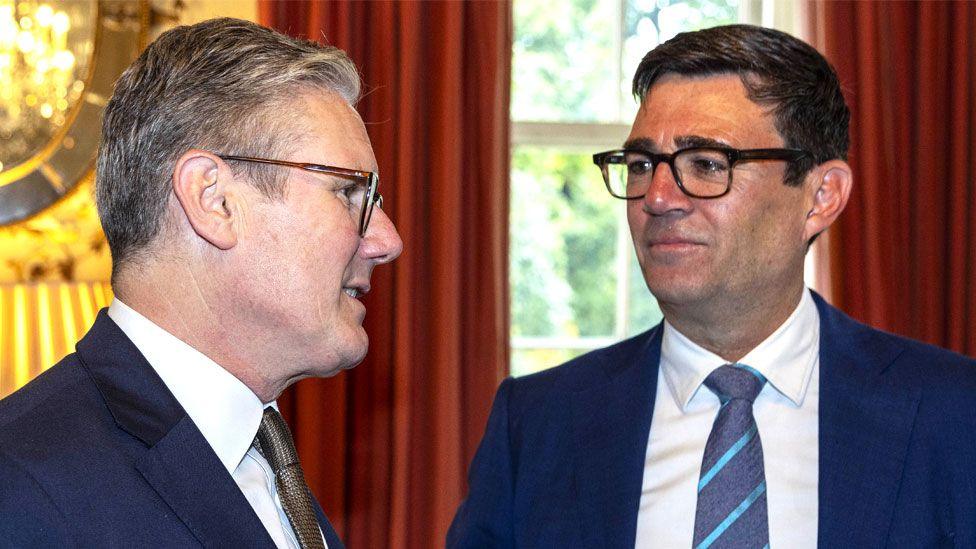
Following the defeat, Keir Starmer was quoted, stating that he was “deeply disappointed” with Labour’s result and concluded that “we clearly need to do much more”. The Welsh Labour leader, Eluned Morgan, expressed a similar sentiment. Both Starmer and Morgan have shown lots of regret surrounding the result, yet they make no clear plans moving forward to make any changes.
Aside from Labour’s political failings, their social media presence surrounding this election has been shocking. In particular, a carousel posted to Instagram followed the theme of ‘our graphic designer is on leave, vote Welsh Labour’. This ultimately made the party look entirely unserious and not at all like they were putting up much of a fight to retain the seat, especially considering how much effort opponents were putting into their campaigns.
In particular, Reform UK put a noticeable attempt into campaigning in this by-election, with big names within the party like Nigel Farage and Richard Tice making appearances in the area. While they did secure second place with 36% of the vote, Plaid Cymru still enjoyed a comfortable majority of almost 4,000 votes. Essentially, the underlying message here remains that Reform’s policies are not as overwhelmingly popular as the media makes out, and there is still some hope for the left. Reform’s gains on the results of previous years and general visibility in the area, though clearly not welcome, does help to highlight the increasing vulnerability of the system that has been in place for so long within Welsh politics.
Beyond just disdain for Labour, the triumph for Plaid has also been put down to the party’s dedication to a clear and unwavering rejection of Reform’s anti-immigration policies. In contrast to Labour’s constant pandering to Reform voters in a fruitless attempt to win them over, Plaid Cymru have completely rejected Reform’s ideological stance, with party leader Rhun ap Iorwerth, speaking to PoliticsJOE and claiming that, in a nutshell, immigrants are not the problem, billionaires dodging taxes are.
As has been pointed out in almost every commentary I have consulted to write this article, the true battle here is not in the Caerphilly by-election, but it is in the Senedd elections coming up in May 2026, where ‘all of Wales is up for grabs’. It has been announced that these elections will be following a ‘closed proportional list system’ in an effort to make sure that allocated seats more closely reflect parties’ share of the vote. This means that a single vote is more likely to help decide the overall election result, as seats will be allocated based on total vote share, rather than following a ‘winner takes all’ approach like they have done previously.
With the overwhelming popularity of Plaid Cymru in this by-election, it is safe to say the Welsh nationalist party really does stand a chance in transforming the outcome of the Senedd elections that it was initially thought we would be seeing. Writing for The Guardian, Iorwerth discussed the party’s ‘message built on fairness, community and national purpose’ which he believed won voters over in Caerphilly. The leader went on to state that ‘the populist right can be beaten when people are offered hope and a vision for a fairer future’ and expressed his conviction that ‘Labour’s old Wales is fading, and a new self-assured Wales is taking its place’.
It is clear that Plaid Cymru will be putting up a fight all over Wales to secure victory in May and that the resounding success in Caerphilly is only the beginning for the Welsh nationalists in the wake of the Labour party’s shortcomings.