Image credits: Picryl
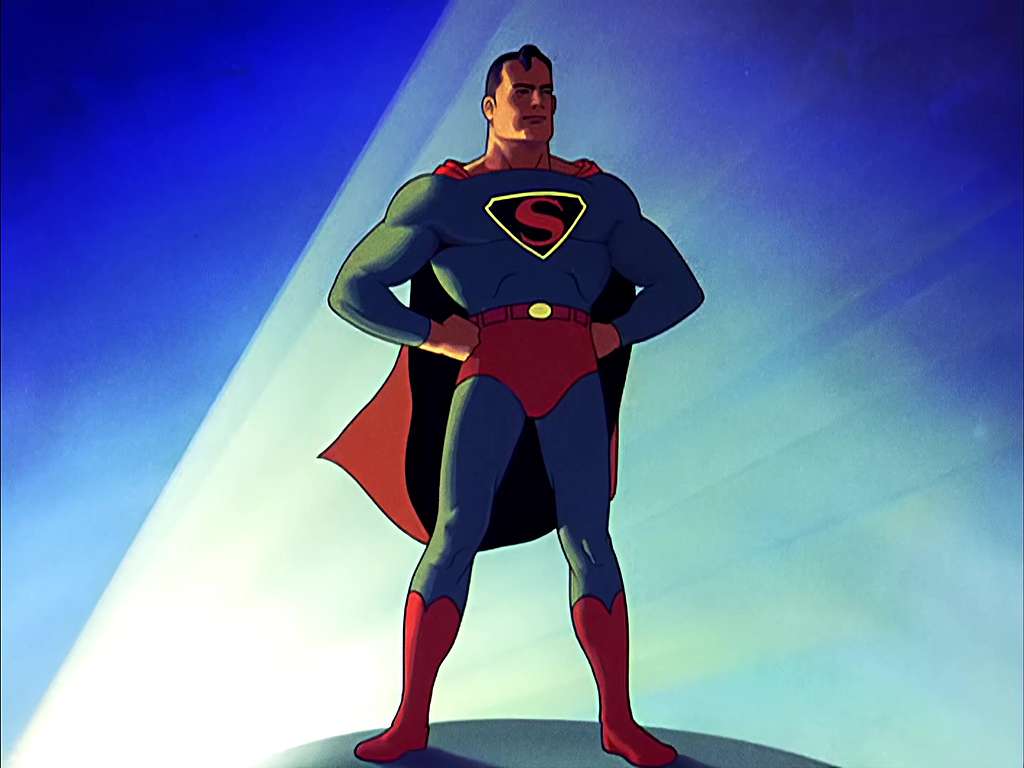
Superman was created in 1938 by Joe Shuster and Jerry Siegal, two Jewish immigrants in the US. Superman became a culmination of both American strong man archetypes, Jewish figures like Moses and the Golem and tied together in the immigrant experience.
Superman, in his conception, was designed to showcase the immigrant experience as an ‘alien’ in the society in which he had been raised, always looking to help his found home. Before there were battles with supervillains, aliens and killer robots, his antagonists were domestic abusers, corrupt landlords and businessmen who preyed on the working class.
From these working-class roots that the name Superman was originally created, Siegel and Shuster referred to the character as The Man of Steel. In this iteration of the hero, we see less the staple of the comic book pop culture landscape and instead a man of the people with limited powers whose social role was to uphold morality and solidarity in a world in which the American dream seemed unachievable for workers and immigrants.
In this landscape, Superman reflected the ideal dream of an immigrant integrated into the American farmer lifestyle, whilst still retaining his cultural connection to his birth home. By 1939, the term ‘The Man of Tomorrow’ had been coined in reference to what the ideals of a character like Superman could represent to the American youth growing up in wartime, a period which saw a significant rise in the distribution of comics.
From this social conscious cradle, The Man of Tomorrow became integral to further political conversations. In 1946, at the height of the Ku Klux Klan’s popularity in the US, Superman was brought back to his roots as an immigrant story, using the investigatory findings of Steston Kenndy on the Klan. In this radio show, Superman was used as a tool to educate the American youth on the dangers of the Klan, as well as provide a comfort character for the many immigrants and citizens in the US that the Klan had attacked.
Sadly, the updating of Superman as a working-class immigrant for the second world war generation took a back seat for the needs of national pride; it was this period that brought about the controversial ‘Truth, justice and the American way’ slogan to Action Comics.
Under political trends like the Red Scare, Superman’s softness, immigrant origin and role as a journalist, fighting for the working class were largely stripped out of his pop culture presence. The Man of Steel with the heart of gold was turned into a symbol of propaganda, a Boy Scout of the current US government, with creators being shaped by fears of being black listed by media authority codes, as comics were particularly viewed as a threat to indoctrinate children.
Even by the 90s, Superman’s US Boy Scout reputation had fed back into comics in famous stories like ‘The Dark Knight Returns’. However, by the turn of the century, creators and DC as a company have put far more work into stripping these dogmatic principles and returning Superman to his progressive ideals.
The single issue of Action Comics (issue 775) titled “What’s so funny about truth, justice and the American way” by Joe Kelly and drawn by Doug Mahnke repositions Superman as a progressive representing optimism against a US that idolises violence and authoritarian traits in its media. More apparent than this is the work by acclaimed writer Grant Morrison and the writer Greg Pak, who, when DC rebooted its comics in the 2010s brought Superman back in line with Shuster and Siegel’s vision, battling billionaires and political corruption story lines like ‘Truth’ saw Superman act as both a reporter of corruption and heavily involved in grassroots protest.
This trend of bringing Superman back to his roots has fortunately not ended in 2021. DC finally updated the slogan “Truth, justice and the American way” to “Truth, Justice and a better tomorrow” in order to reflect the character’s reemerging popularity globally and the intentions of his creators.
As well as this, in DC’s new Absolute Universe which has been set to reconstruct its characters for modern readers Superman’s roots as a working class immigrant story has been reevaluated by the writer Jason Aaron in this instead of Superman’s life in the ideal mid west, his status as an immigrant leads him to be rejected by modern US culture and governance with a Lazarus corporation reporting him to an I.C.E like agency.
This fundamental change led Superman to explore the world, fighting against the wave of neo-colonial international relations spurred on by Lazarus. Aaron’s focus on Superman’s intended origins has been apparent across the ongoing title, even recontextualising the classic S logo as the symbol of Krypton’s working class in their class system. It is in this subversion of his 30s origin that Aaron highlights the US political slide into fascist and authoritarian ideals that Superman was created to fight against, and therefore Superman is removed from his American roots, reflecting his role as a global figure for justice in a much more realistically bleak world.
With the debut of the new Superman film, which places the Man of Steel in the context of current international politics, mainly that of conflicts which resemble the ongoing genocide in Gaza, Superman’s immigrant status in a US far more openly hostile to its immigrant communities and showcasing Lex Luthor’s role as a billionaire and supervillain equally.
It would seem that Shuster and Siegel’s hope for this character to show the lived experience for those oppressed and to carry the message that fighting against injustice is not going away any time soon. Superman’s pop culture relevance is seemingly constant, being a role model asking us to care, defend and fight for each other against people and systems that would see us lose.
The man of tomorrow is more than a title; it’s a promise of a better future for all of us.