Image credits: Wikimedia Commons
The Gorton and Denton byelection was destined to be significant. A Labour heartland in Manchester, with students and graduates, white working-class voters in
the remains of a declining industrial base, and a significant Muslim population – a
microcosm of Labour’s key supporters in 2024.
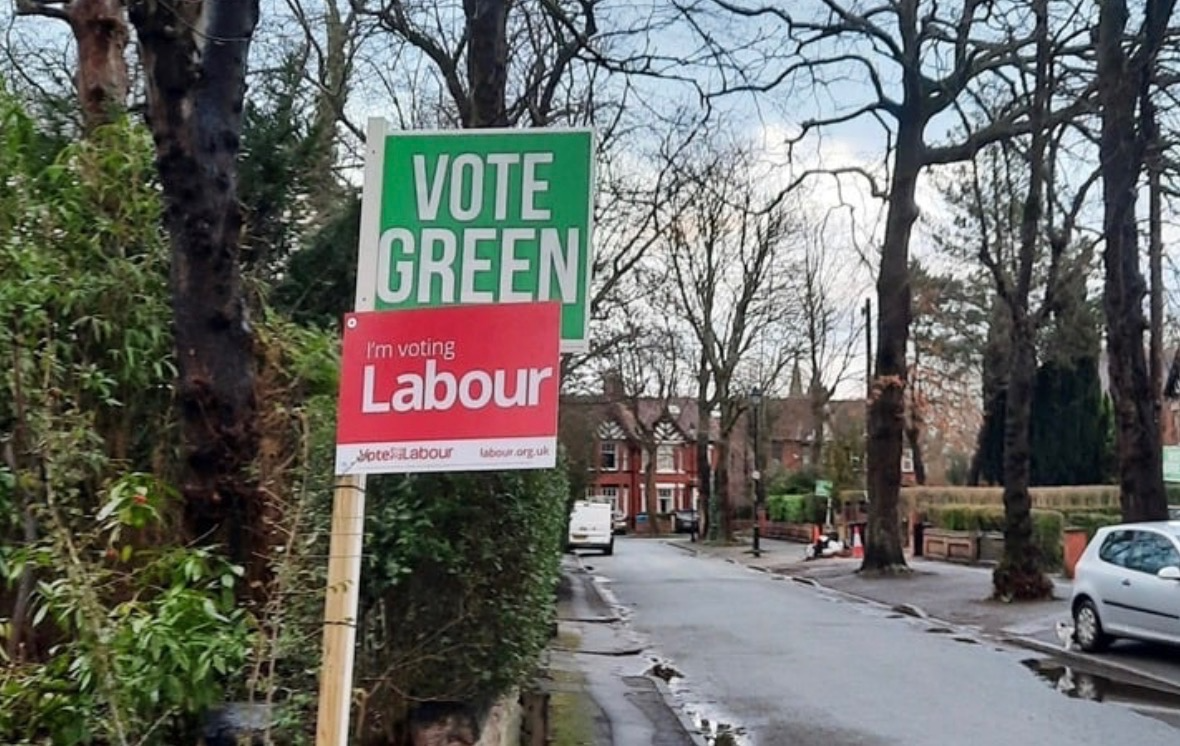
It should have been a forgone conclusion – yet, it went to the Greens, by a margin of
over four thousand votes.
What should we learn from the byelection? Can Labour recover as the progressive
champion in British Politics, or will the Greens take on the mantle? And how might it
be possible to challenge Reform’s dangerous rise?
This was a referendum on Starmer and the status quo he represents. Starmer
is vividly personally disliked and is now among Britain’s most unpopular PMs. By
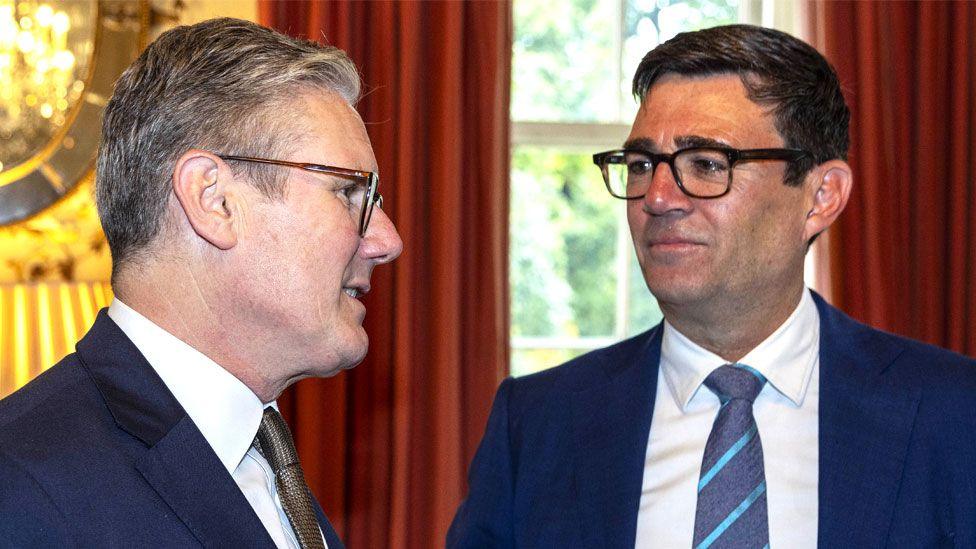
running Andy Burnham, a clear leadership contender to Starmer who could have
provided hope and a strong local record, Labour might have won.
But he was blocked, nominally because a byelection for the Manchester Mayoralty
would be triggered – but most likely as a factional decision from Starmer to protect
his position. His standing may have also deterred the Greens from investing as many
resources into the Seat.
Starmer and his government are perceived as “archetypal, status-quo politicians” –
and as the country feels like a mess, it’s not surprising that the public is rejecting
business-as-usual – especially when they feel they’ve been lied to. Had Burnham run and won, we might be looking at a radically different political narrative. Burnham’s return to Westminster would have provided a path forward for Labour – towards ‘Manchesterism’ and away from microwave re-heated New Labour.
Labour has done everything to lose its key voters. The party’s vote share
collapsed into an abyss opened by scandal after scandal, Freebies after Mandelson.
All the while, the government has seemed determined to make the wrong policy
choices, from digital ID, the 2-child benefit cap to winter fuel allowance – and then
been forced into embarrassing U-Turns.
The party’s perceived insufficient support for Palestine hurt their chances with
Muslim and minority ethnic voters, who make up 30% of the seat’s demographics.
Focus groups of these voters noted they felt “the government didn’t have their back”
in a context of rising racism and xenophobia.
The Greens are pushing onwards and upwards. Increasing their vote share by a
full 27.5%, they are gaining credibility as the force of the left. They will achieve more
now they have proven voters can have their cake and eat it – countering both reform
and Starmer’s unpopular government. Spencer’s messaging focused heavily on the
cost of living and avoided the climate emergency, morphing her campaign towards
left-wing populism over purist environmentalism.
Two-party politics continues to disintegrate. Nearly three-quarters of voters
didn’t choose Labour or the Conservatives. The traditional parties secured only 27%
of the vote combined, and the conservative party lost their deposit. But progressives
should be alarmed at Reform’s remarkable resilience. They placed second,
performing well despite the seat’s makeup playing against them, and their choice of
the tetchy, aloof Matt Goodwin as their candidate.
Gorton and Denton have exposed Labour’s weakness: lack of vision. Labour
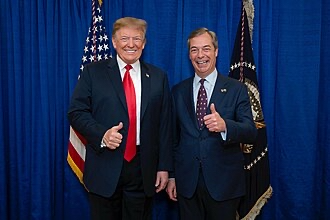
cannot credibly claim to be the progressive bulwark against Reform UK while aping
Farage’s policy on immigration. If they continue, progressive seats like Gorton and
Denton will fall – and for the moment, voters seem willing to overlook the Green’s
policy shortcomings.
Labour soul-searching cannot achieve much with Starmer still in office, and “Labour-
Togetherites” still at the reins. If the Green Party can remedy some of their thornier
policy positions – notably on Drugs, which has been a key attack line for Labour –
their vision of hope may win the day up and down the country, not just in
Manchester.