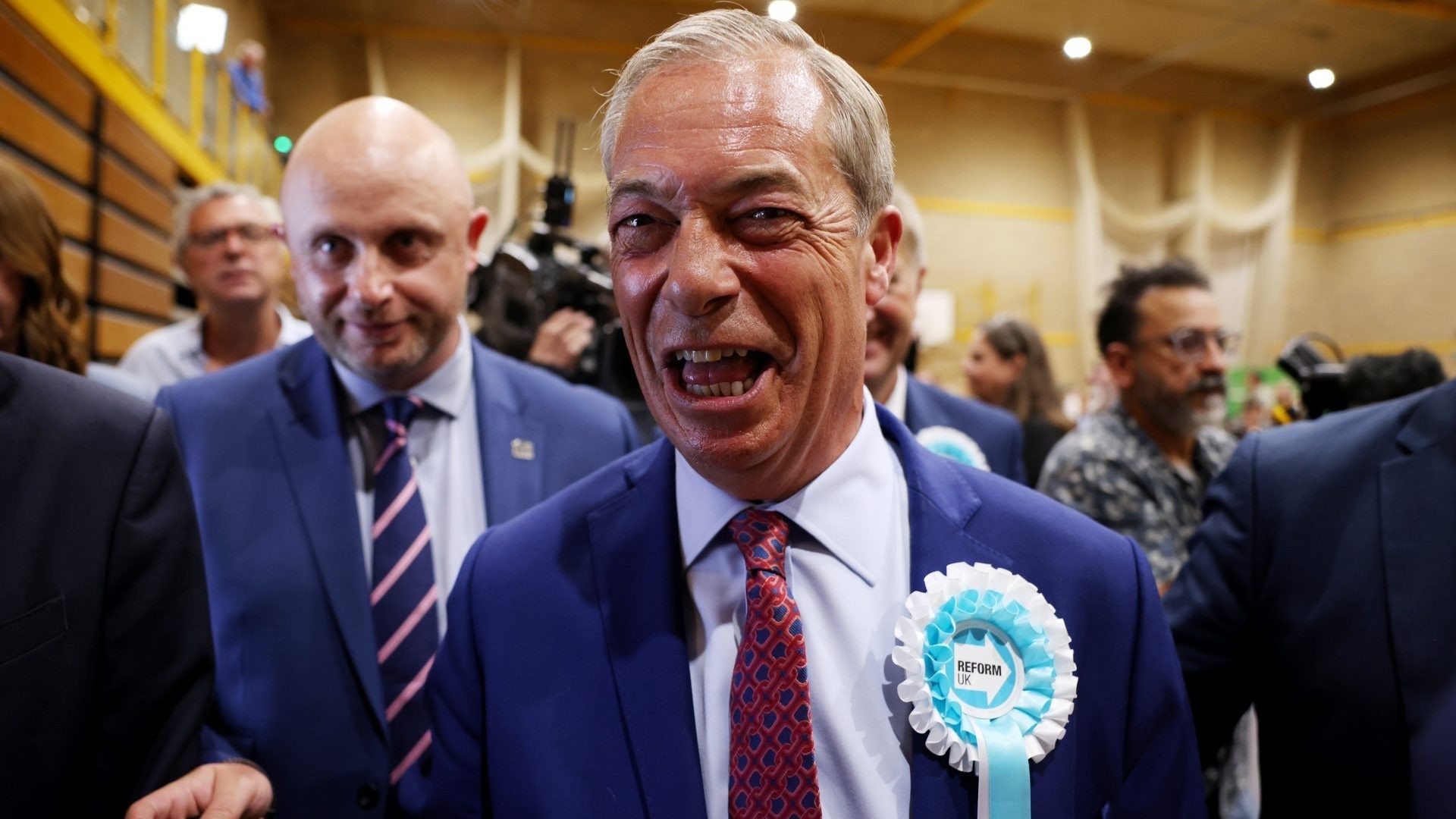
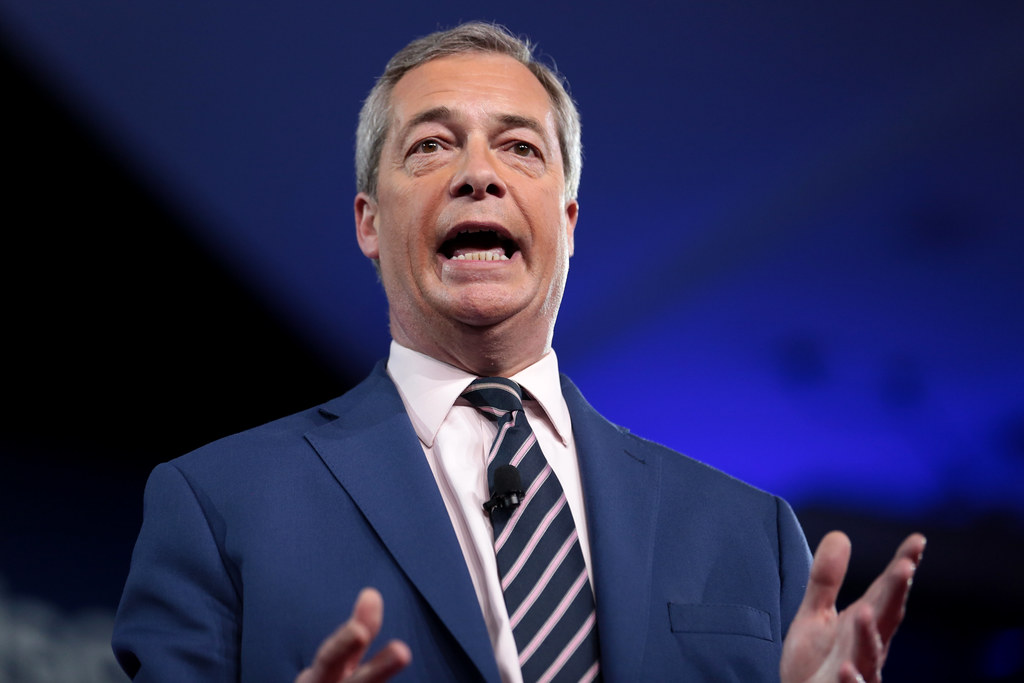
Pictured: Nigel Farage
Image credits: Flickr
New racism allegations have been presented against Nigel Farage, the current leader of the Reform UK political party, in the form of statements from his former classmates.
At least 20 of his former classmates at Dulwich College came forward with reports that Farage made discriminatory statements, which he referred to as jokes. These included quips about gas chambers to Jewish students, proclaiming that Hitler was right, and putting pupils into detention based on their skin colour. When questioned about this, Farage denies any and all such claims by insinuating that they were never direct statements, nor that he ever did or said anything out of malice.
This does pose the question, however, how surprising are these allegations? Reform UK is infamous for its controversial figures and contentious political views, particularly on immigration and British Muslims. As leader of the party, it seems that these insinuations are perfectly fitting, given that Reform UK has a reputation of being synonymous with hate speech and derogatory language. Furthermore, this is also not even the first time he has been publicly called out for discriminatory remarks. In 2014, he received considerable backlash for hateful comments made against Romanians.
Farage claims he does not want to hold an investigation into these recent allegations. This is following Nathan Gill, the former Welsh Reform UK leader, being jailed for taking pro-Russian bribes.
These microaggressions are brushed over by Farage as merely jokes or ‘banter’. This is very reminiscent of our current social climate in England, given that at least 46% of people believe racism to be somewhat prevalent in the UK. Jokes tend to be the final vector of socially acceptable discriminatory, or hate, speech. It was found that more that 50% of people from an ethnic minority background had been victim to a racist comment that was told in the form of a joke, making it the most common expression of verbal racial abuse.
So, what separates jokes from other forms of verbal racism that are perceived as offensive and non-socially acceptable, such as slurs or outright comments.
Humour makes us more receptive to these comments, if it is funny, it is often subconsciously deemed as unserious. Whether it be telling them or laughing at them, these behaviours normalise this behaviour within any social setting.
It is becoming increasingly common to deny that jokes can be racist, particularly in claiming that it was never intended for it to land or be interpreted in that way. In focusing on their intent, true or not, avoids any connotations of being associated with racism. Whilst it can mostly be universally agreed that racism is inappropriate, yet many still engage with it, perhaps without realising nor without intending it to be harmful. This could also link to a lack of awareness associated with racism, as it is common sentiment that those who have not experienced racism struggle to truly understand its extent and impact. Most crucially however, it that racism is colloquially associated with an overt expression of intentional hate, such as a hate crime, but this ignores the covert aspects of racism, which are often more prevalent, such as structural racism and microaggressions.
We must be ready to acknowledge, identify, and call out, not only other’s racist remarks disguised as jokes, but also our own unconscious biases.
We cannot claim that Farage is the same person as he was in his school days, however, given the political views and actions of the party he leads, it is safe to assume that the harmful sentiment behind those words have not faded over time.